

Functional Pain Management
Exploring the missing link in pain care delivery


“I see you’re referred to discuss your back pain. Have you already done physical therapy (PT),” asks the nurse. An already frustrated patient responds that he has done PT, and it was a waste of time. He was placed in a corner to ride an exercise bike and perform some floor stretches. Unfortunately this is a common story in clinics around the country, not to mention the out of pocket costs rising for PT care among insurance plans.
PT is often required before advanced imaging or treatment for most all insurance plans. Don’t get me wrong, PT is great starting point, when performed correctly, and when the objectives are clear. Six weeks of PT in an 65 year old with no prior physical exercise regimen is unlikely to make a long term difference. When it comes to back pain and exercise, it’s best to play the long game.
“When it comes to back pain and exercise, it’s best to play the long game.”
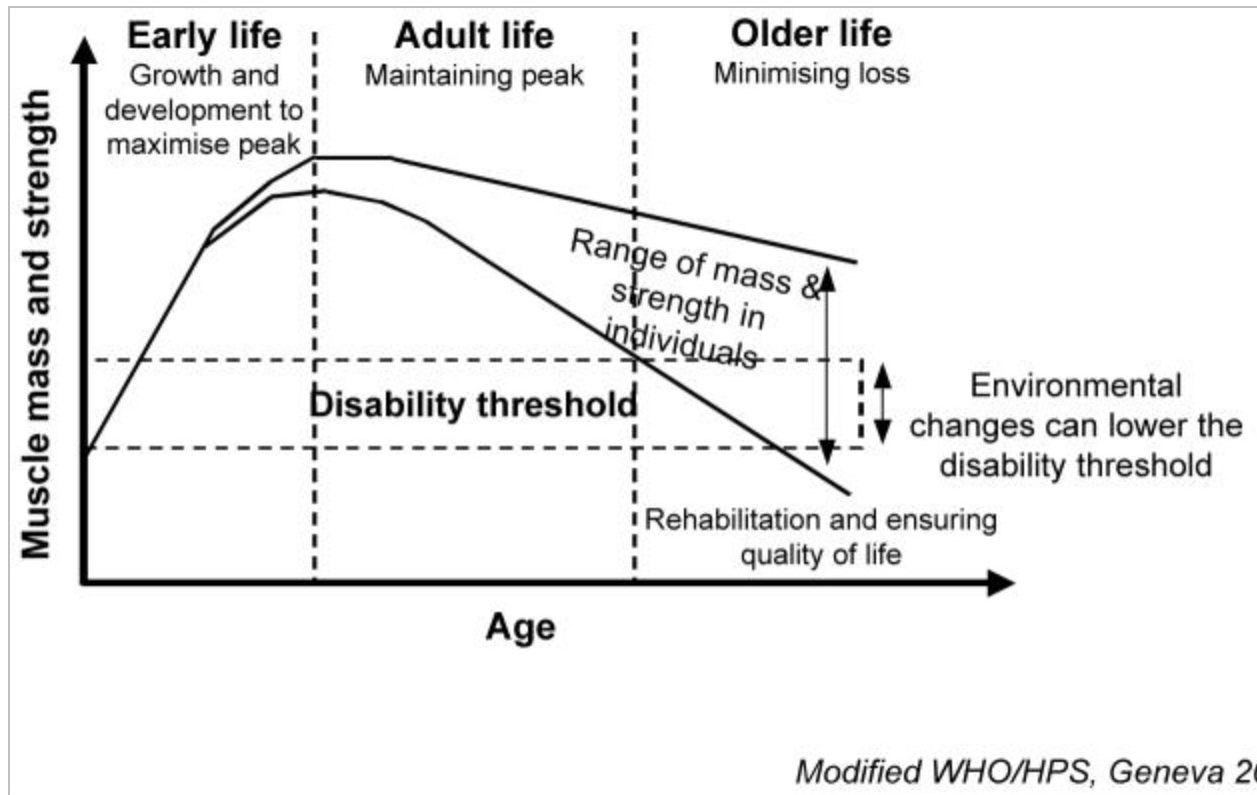
The chart below shows the progression of muscle mass decline over time and the potential to maintain with environmental changes. As muscle decline occurs our joints and ligaments undergo more stress and over time degenerative changes.
A better strategy for playing the long game is educating a patient on the value of resistance training as early as possible. As part of PT patients are given an exercise plan, but if we’re being honest most do not follow through with this prescription and show up in our clinic, having “failed PT.” It is incumbent upon providers to emphasize this importance.
When a patient arrives in a pain clinic there is by definition a painful process interfering with function. We use advanced imaging and interventional techniques to treat the painful process, but if we’re honest it can kind of end there. “You’re better now,” we say, but what now? How do we prevent the next episode? How do we change the trajectory for this patient? I believe that comes only from significant environmental changes - nutrition and exercise. It is vital at this point to reinitiate a PT or exercise plan with specific instructions on goals and pace relevant to the disease process.
As research outcomes focus more on objective functional outcomes, so should our approach in the clinic. Perhaps this means integrating a physical therapist in the clinic to perform quick evaluations and review treatment plans alongside the physician or extender. Our physical exam should also focus on identifying strength deficits. What better message to send than having a therapy suite attached to the clinic, as with most orthopedic clinics. Patients seeking minimally invasive treatments are now filtering through pain clinics more than ever before. We owe it to them to provide comprehensive treatment for true functional improvement. Incorporating a physical function program after an interventional treatment will lead to better long term outcomes for patients, and is the missing piece in turning 12 month data into 12 year data.
Several programs exist for online options to send patients exercises at home through various forms of media. I have no affiliation with these products, am not endorsing the, nor am I paid to promote them.
SimpleSet
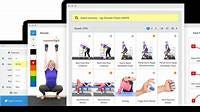
SimpleSet offers a user-friendly interface for building personalized exercise programs efficiently. It includes a vast library of exercises with high-quality visuals and allows for seamless integration with electronic medical records (EMRs).
Rehab My Patient
Designed by leading physiotherapists, this platform provides access to over 5,500 exercises, including HD videos and images. It supports sending plans via email, SMS, and WhatsApp, and includes features like outcome tracking and patient education materials.
Rehab Guru
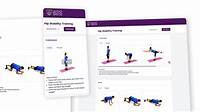
Rehab Guru offers a comprehensive suite with over 6,000 exercises, built-in outcome measures, treatment notes, patient forms, and telehealth capabilities. It's suitable for various healthcare settings, including hospitals and private practices.
Patient Exercises
This digital exercise prescription software is built for physical therapists, chiropractors, and occupational therapists. It allows for the creation of home exercise programs with an extensive video library and patient management features.
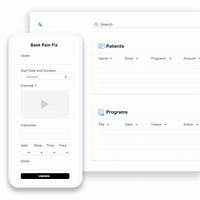
TrackActive Pro
TrackActive Pro provides exercise prescription software with outcome measures, featuring evidence-based exercises with videos, a community exercise database, and the ability to add custom exercises. It facilitates quick program creation and patient monitoring.